
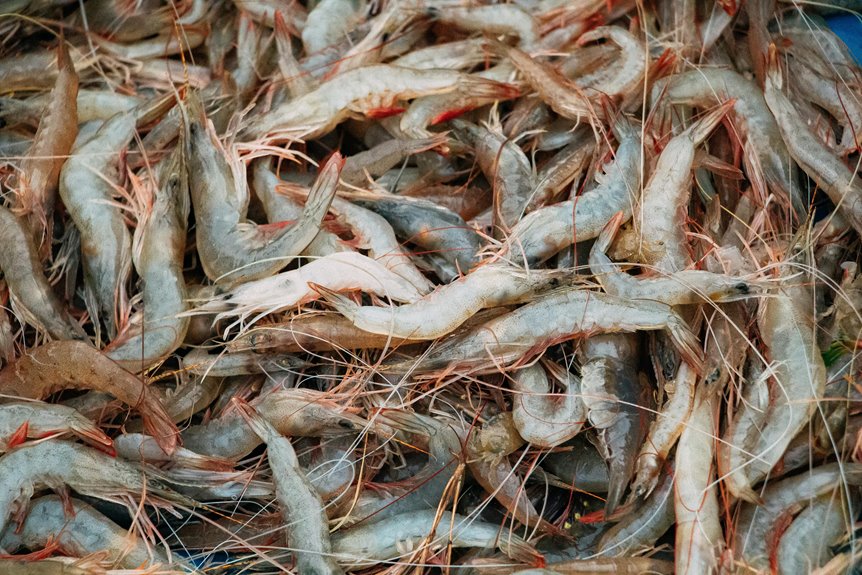
Colossal shrimp aren’t actually a legally defined size—they’re a marketing label. Here’s the real deal: you’ve gotta check the count per pound on the package. Colossal typically means 16–20 shrimp per pound, though some suppliers say under 15. Each shrimp weighs about 0.75 ounces, giving you that meaty, juicy bite that smaller shrimp can’t match. Skip the fancy label and always verify the actual count. That number tells you everything you need to know about what you’re actually getting.
What Is Colossal Shrimp? Understanding the Marketing Label
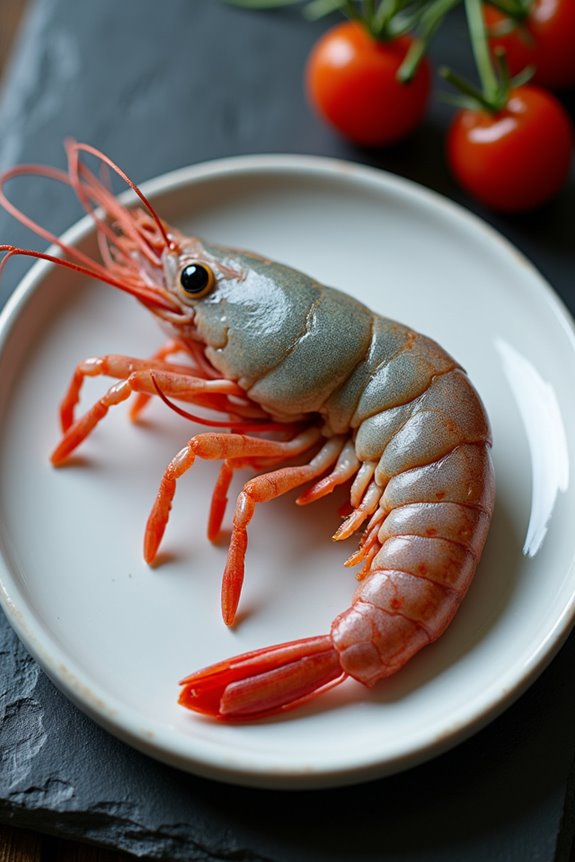
Ever wonder why “Colossal” shrimp at one store don’t look quite like “Colossal” at another? You’re not imagining things. That marketing label isn’t as standardized as you’d think.
Here’s the deal: “Colossal” typically means about 16–20 shrimp per pound, though some suppliers define it as under 6 per pound instead. That’s a huge difference, right? The count per pound is what really matters when you’re comparing options.
Labeling gets tricky because head-on shrimp appear bigger than peeled versions of the same count. The shells add weight, creating an optical illusion. Different suppliers use different definitions too—some say 8–12 per pound, others claim 6–8.
When you’re shopping, skip the fancy “Colossal” label alone. Check that count per pound on the package instead. That’s your real answer to what you’re actually getting.
How to Read Shrimp Count Labels and Identify True Size
Want to know the secret code that actually matters on shrimp packaging? It’s the count label, not those fancy Jumbo/Colossal terminology claims.
Forget fancy marketing labels—the real secret to buying quality shrimp is decoding the count numbers on the packaging.
Here’s how you’ll decode what you’re really buying:
- Look for ranges like 21/25 or 31/40 on the label
- Smaller numbers mean fewer shrimp per pound (larger shrimp)
- U/15 means under 15 shrimp per pound—seriously huge
- Check if it’s fresh or frozen, since moisture adds weight
The shrimp count labels tell you the actual size per pound. That’s your honest answer. Jumbo/Colossal? Those terms aren’t legally standardized, so suppliers can basically call anything that.
You’re learning what insiders already know. Don’t trust marketing language alone. Flip that package over, find those numbers, and you’ll spot true quality every time.
Colossal vs. Super Colossal: What’s the Real Difference?
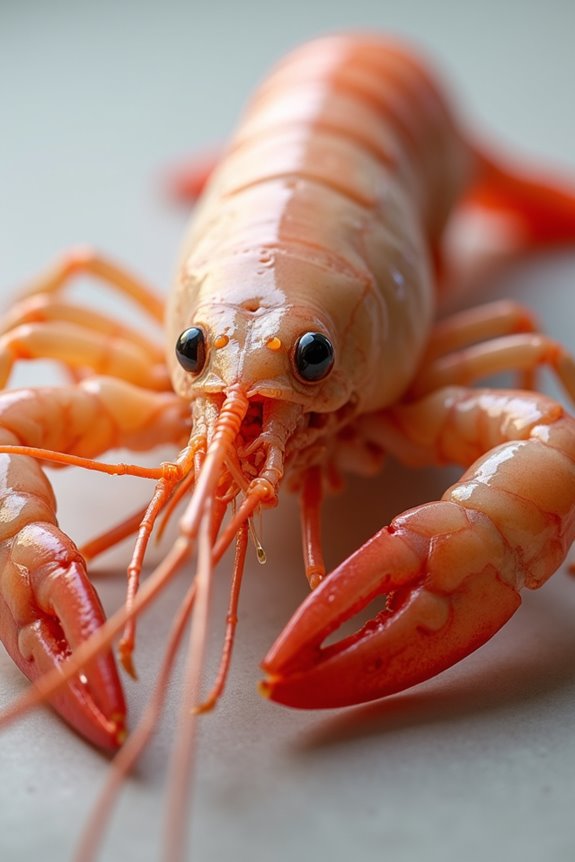
When you’re shopping, you’ll notice colossal shrimp pack fewer than 15 per pound, while super colossal squeeze in just 8–15 (sometimes 13–15). The difference matters because super colossal takes about a minute or two less to cook, so you’ll want to watch them carefully. You’re basically choosing between a solid focal point for your dish or going full statement-piece with shrimp that’ll steal the show.
Size Count Per Pound
Here’s the thing about shrimp sizing—it’s all about how many fit on your scale. You’re really comparing shrimp per pound, and that number tells you everything. Here’s what you need to know:
- Colossal shrimp have U/6 to U/12 labels (fewer shrimp per pound)
- Super Colossal ranges from 8–15 shrimp per pound
- Fewer shrimp means bigger individual pieces
- Count per pound directly affects your price tag
When you’re shopping, check that label carefully. Colossal means you’re getting serious meat per shrimp. Super Colossal’s broader size range sometimes overlaps with Jumbo, so don’t assume they’re identical. The count per pound metric is your honest guide. You’ll pay more for fewer, larger shrimp—but you’re getting premium quality and impressive portions.
Cooking Time Differences
Now that you know what you’re buying by the pound, let’s talk about actually cooking these beauties. Your shrimp cook time depends heavily on size per pound and your chosen cooking methods.
| Shrimp Size | Count Per Pound | Baking Time | Grilling Time |
|---|---|---|---|
| Colossal | 16–20 | 5–8 minutes | 4–5 min/side |
| Super Colossal | 8–15 | 8–15 minutes | 6–10 min/side |
Colossal shrimp finish faster individually because they’re smaller. Super colossal need extra time due to their thickness. You’ll grill 1–1.5 inch-thick pieces longer, but they’re forgiving—they won’t turn rubbery easily if you watch them.
Both sizes cook quicker than chicken or fish. The real advantage? Super colossal tolerate heat better, giving you breathing room. Monitor your shrimp carefully regardless, and you’ll nail it every time.
Counting Shrimp Per Pound: The Reliable Way to Verify Size
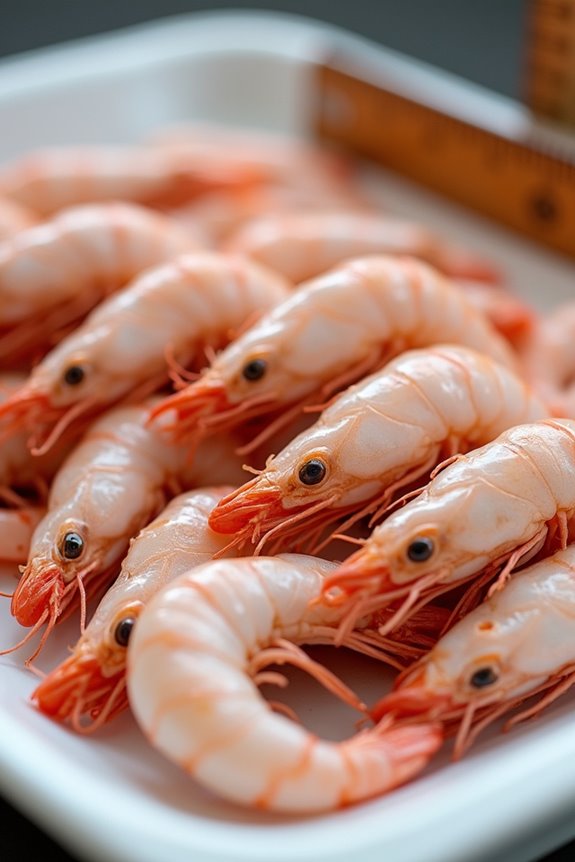
How do you actually know if you’re buying colossal shrimp or just regular large ones? You’ve got to check the count per pound. Here’s what you need to do:
- Look at the labeling format on your package (like 16/20 or U/6)
- Understand the numbers represent shrimp per pound, not weight
- Remember smaller counts mean bigger shrimp every single time
- Verify colossal shrimp are typically 16–20 per pound in most markets
The slash shows your size range. That U prefix means “under” that count. So U/6 shrimp? Those are seriously massive. Don’t let fancy marketing fool you. The count per pound is your shrimp size truth. Check it before you buy, and you’ll never overpay for misleading labels again.
Appearance, Weight, and Portion Size
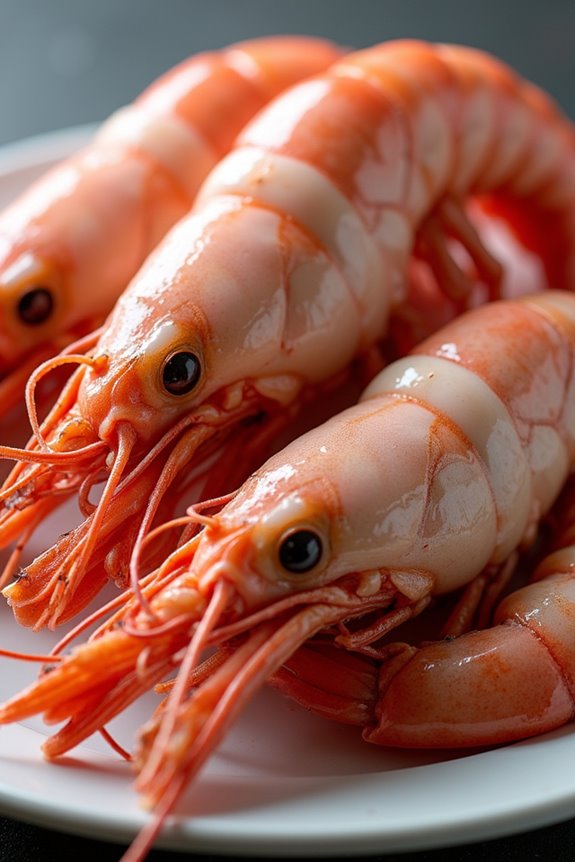
When you’re shopping for colossal shrimp, you’ll notice they’re noticeably larger than standard varieties, with each one weighing roughly 0.75 oz. A single pound bag gives you about 16 to 20 of these hefty crustaceans, so you’re not getting a ton of shrimp by count, but you’re definitely getting serious substance per piece. For your dinner table, plan on serving 4–5 colossal shrimp per person, which means they’re perfect when you want impressive-looking presentations without needing tons of them.
Visual Size Characteristics
What makes colossal shrimp stand out at the seafood counter? You’ll immediately notice their impressive size compared to other varieties. Here’s what you’re looking at when you spot them:
- Each shrimp weighs about 0.75 ounces (roughly 21 grams)
- You’ll find fewer than 15 shrimp per pound, typically 8–12
- They’re often labeled as U/6 to U/15 in markets
- Most arrive with heads and tails still attached
When you’re deciding between jumbo vs colossal shrimp, the difference is clear. Colossal shrimp size dominates any plate—seriously, they’re noticeably larger. You’ll typically serve just 4–5 per person, which actually stretches your budget further than smaller varieties. That’s the practical side of going big. Their visual presence makes them perfect for impressing dinner guests without extra effort.
Weight And Serving Portions
Beyond their eye-catching size, colossal shrimp really shine when you’re planning meals and calculating costs. You’ll typically find 8–12 shrimp per pound in standard bags, meaning each shrimp weighs roughly 0.75 ounces. That’s genuinely hefty compared to smaller varieties.
For your serving size, plan on 4–5 colossal shrimp per person—about 1 to 1.5 ounces total. This generous portion feels satisfying without breaking the bank on expensive seafood. If you’re feeding a crowd, you can actually stretch one pound further than you’d expect.
Most bags you’ll encounter come peeled and deveined with tails attached, packed in heat-sealed portions. This prep work saves you serious time in the kitchen. Whether you’re grilling, sautéing, or tossing into pasta, these giants deliver impressive plating with minimal effort.
How Size Affects Cooking Time and Texture
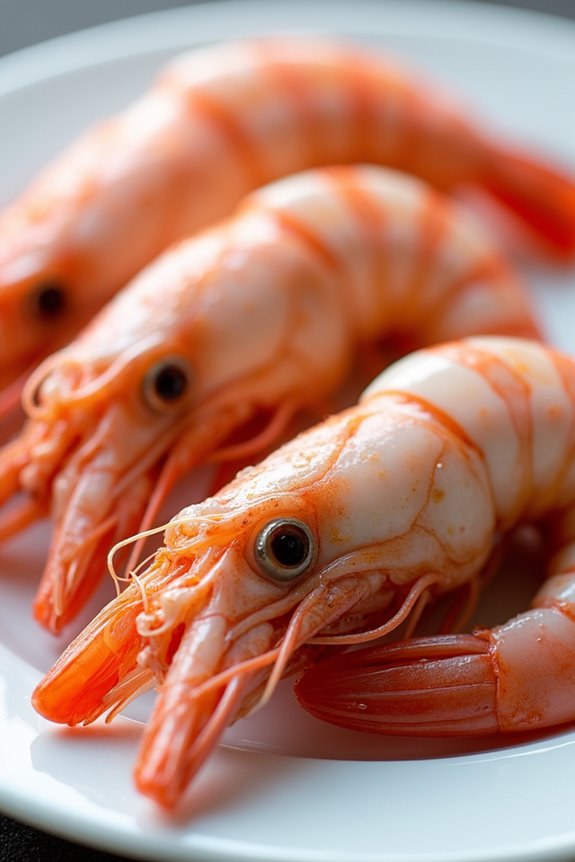
Larger shrimp require noticeably different cooking strategies than their smaller cousins. When you’re working with colossal shrimp (16–20 per pound), you’re looking at 4–6 minutes total cooking time. That’s way longer than tiny shrimp, which finish in just 1–2 minutes. Here’s what matters:
- Shrimp size directly impacts cooking duration and texture quality
- Colossal varieties develop firmer, meatier texture from higher meat-to-shell ratio
- Smaller shrimp turn rubbery after only one minute of heat exposure
- Larger shrimp retain more flavorful juices, tasting sweeter when cooked properly
The texture difference is real. Colossal shrimp stay juicy and firm, while smaller ones get mushy fast. You’ll appreciate how colossal shrimp tolerate longer heat without falling apart—perfect for grilling. Just avoid cooking beyond 8–10 minutes, or they’ll toughen up on you.
Best Cooking Methods for Colossal Shrimp
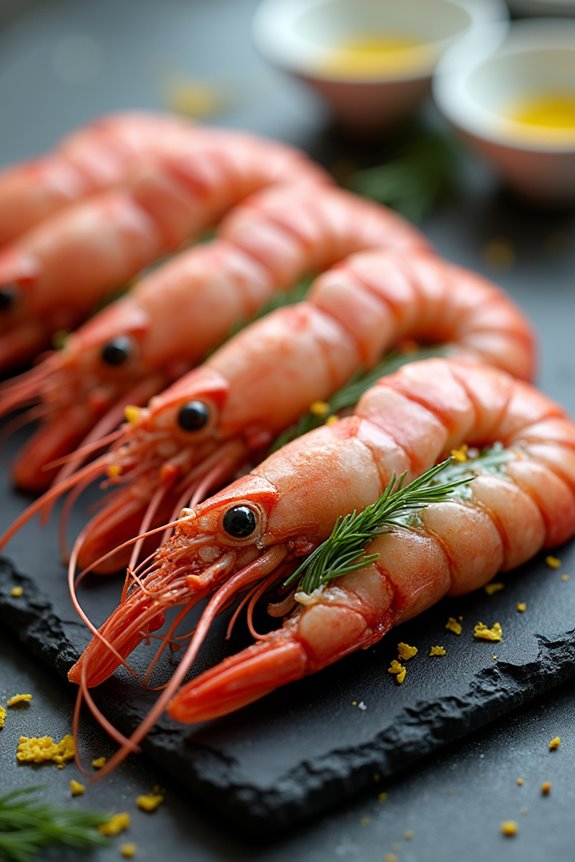
When you’ve got colossal shrimp on your plate, you’ll want cooking methods that actually do them justice. Since you’re working with 16–20 shrimp per pound, these beauties deserve techniques that show them off. Grilling, sautéing, and stuffing are your best friends here. They highlight the natural sweetness and juicy texture that make colossal shrimp sizing so special.
| Cooking Method | Best For | Time | Presentation |
|---|---|---|---|
| Grilling | Char marks | 2–3 min/side | Stunning visual |
| Sautéing | Quick meals | 3–4 min total | Restaurant-style |
| Stuffing | Elegant dinners | 12–15 min | Showstopping |
| Broiling | Easy prep | 4–5 min | Caramelized tops |
| Poaching | Delicate texture | 5–7 min | Tender results |
These methods ensure your presentation really shines. You’ll appreciate how these cooking methods bring out what makes colossal shrimp special.
Why Colossal Shrimp Taste Better
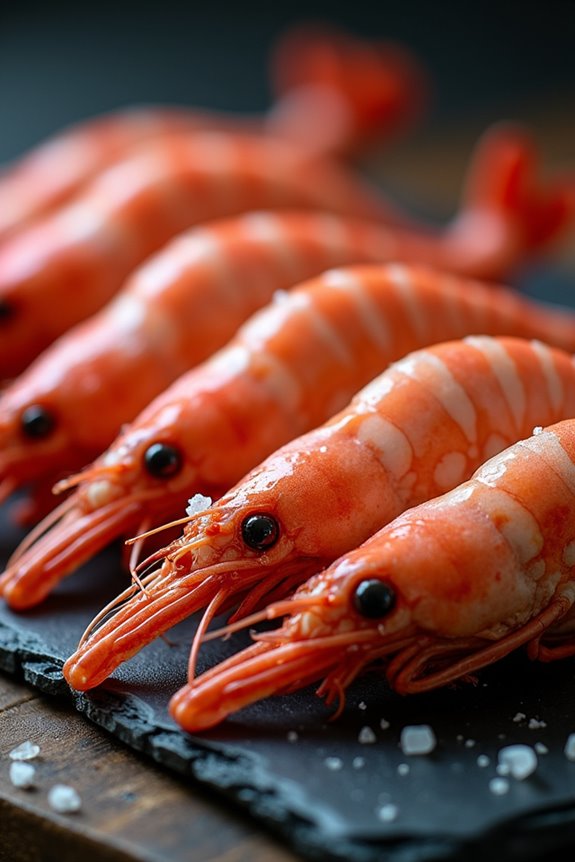
If you’re wondering why colossal shrimp seem to hit differently, there’s actually solid reasoning behind it. You’re tasting the real difference that shrimp size makes. Here’s what puts them ahead:
- Higher meat-to-shell ratio gives you more actual shrimp to enjoy per piece
- Sweeter, more pronounced flavor develops naturally in larger specimens
- Juicier texture comes from that extra meat content packed inside
- Better eating experience means fewer shells and more satisfaction
When you cook colossal shrimp, you’re working with substantial meat that stays forgiving during those quick 4–6 minute cooking windows. The larger size concentrates flavor in ways smaller shrimp just can’t match. You’ll notice the difference immediately—sweeter, meatier, genuinely better. That’s not marketing talk. It’s just what happens when you upgrade your shrimp game.
Recipes That Star Colossal Shrimp
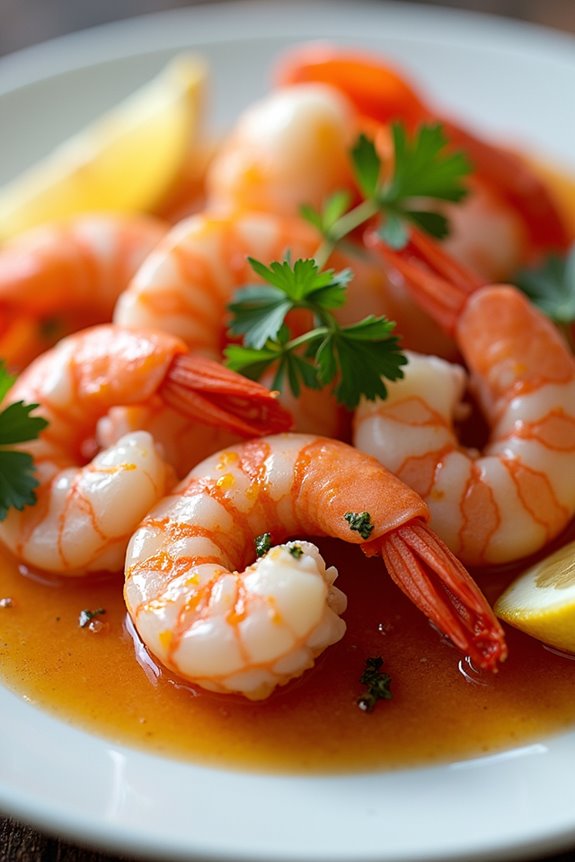
You’ve got plenty of ways to showcase those gorgeous colossal shrimp you’re holding. Whether you’re crafting elegant appetizers like chilled cocktail presentations or building impressive main courses with grilled skewers, these big guys do the hard work for you. They’re basically the show-stoppers that’ll make your dinner table look like you actually knew what you were doing.
Elegant Appetizers and Starters
Why settle for tiny shrimp when colossal ones steal the show? You’ll love how these 16–20 per pound beauties transform your appetizer game. Each serving features just 4–5 shrimp at 0.75 oz, yet they command attention on any plate. Here’s what makes them perfect for your table:
- Shrimp cocktails chilled and ready to impress guests
- Crab-stuffed bites baked until golden and delicious
- Crispy crostini topped with colossal shrimp for texture
- Elegant canapés featuring avocado or cream cheese bases
You’ll appreciate how minimal seasoning lets their natural sweetness shine. Light grilling, broiling, or baking keeps them wonderfully firm. These elegant appetizers work beautifully on skewers, spoons, or pastry shells. When you choose colossal shrimp sizing, you’re investing in restaurant-quality presentations that your crowd will remember.
Main Course Showcase Dishes
Colossal shrimp deserve the spotlight on your dinner plate, and they’ll deliver without needing fancy tricks. You’re working with impressive main course material here. A typical serving size includes just 4–5 shrimp, each weighing about 0.75 ounces, so you’re getting real substance per plate. That colossal shrimp size makes them natural stars without extra fussing around.
Try butter-searing them with minimal seasoning to let their meat shine. You could stuff them with crab and bake, or grill them as your centerpiece. Bold flavors work beautifully here, but honestly, simple preparations often win. The shrimp’s size does most of the visual work for you, making your main course look restaurant-worthy. That’s the real appeal—impressive results without overcomplicating things.
Buying Colossal Shrimp: Questions for Your Fishmonger
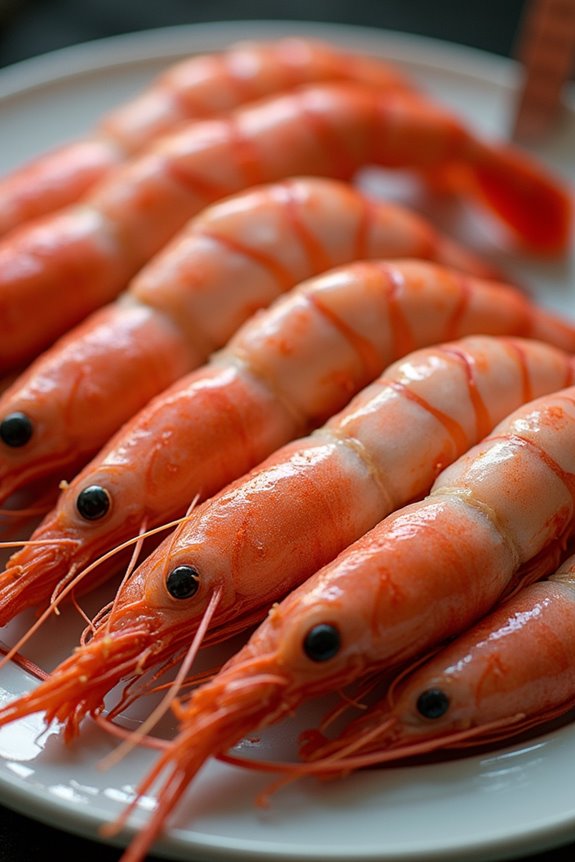
When you’re standing at the seafood counter eyeing those giant shrimp, it’s worth asking a few smart questions before you buy. Your fishmonger’s got the inside scoop you need.
Start by asking about shrimp sizing and the per-pound count. Colossal shrimp vary—some are 16-20 per pound, while others run under 15. You’ll want to know exactly what you’re getting.
Colossal shrimp sizing varies widely—ask your fishmonger for the exact per-pound count before purchasing.
Here’s what to ask:
- What’s the sourcing label and origin of these shrimp?
- Are they wild-caught or farm-raised options available?
- Do you carry head-on, tail-on, or tail-off varieties?
- What’s the packaging—vacuum-sealed or heat-sealed bags?
Don’t hesitate asking about weight too. About 0.75 ounces per shrimp helps you plan portions accurately. Getting specifics now saves you headaches at home.
Where to Source Wild-Caught Colossal Shrimp
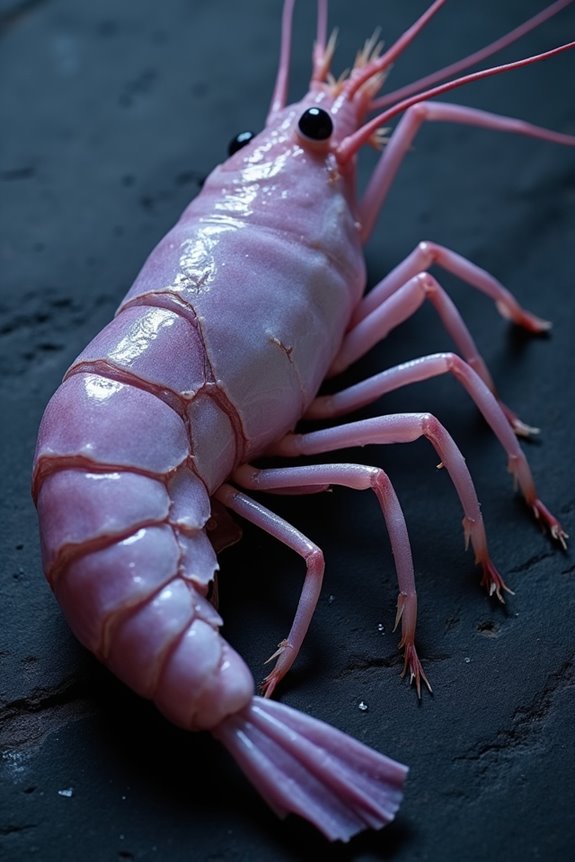
Now that you know what questions to ask your fishmonger, you’re ready to actually find those premium wild-caught shrimp. Select seafood retailers specialize in sourcing colossal shrimp from the Gulf of California, where they’re harvested at peak quality. You’ll typically find them packaged in convenient 1 lb or 2 lb bags with heat-sealed packaging that locks in freshness. Most retailers offer tail-on or tail-off options depending on your preference. The best part? Many online suppliers provide free nationwide shipping on orders over $100, making sourcing wild-caught colossal shrimp surprisingly accessible from your home. These shrimp come frozen without added water or chemicals, ensuring you’re getting pure quality. Check retailer websites for current availability and pricing to score your ideal batch.