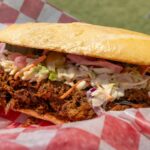

BBQ sauce isn’t gluten-free just because it *looks* clean. You’ve got hidden culprits lurking everywhere—barley malt, grain vinegars, and whiskey flavorings sneak gluten into most bottles. Here’s the kicker: even if ingredients check out, cross-contamination during manufacturing can still get you. Your safest bet? Hunt for GFCO certification or explicit “gluten-free” labels on packaging. Store-bought brands vary wildly, but knowing what to spot on labels makes a huge difference in staying safe.
5 Unexpected Gluten Sources in Store-Bought BBQ Sauce
Ever grabbed a bottle of BBQ sauce thinking it’d be safe for your gluten-free diet?
You’re not alone in that struggle. Store-bought sauces hide sneaky gluten sources that aren’t always obvious. Barley-based malt appears in many sauces, sneaking in gluten when you least expect it. Vinegar derived from gluten grains can lurk in your favorite brands, though distilled versions stay safer. Whiskey and bourbon flavorings like Jack Daniels add complexity—and potentially gluten. Natural smoke flavorings often contain hidden gluten unless explicitly labeled. Cross-contamination during manufacturing poses serious risks too.
Here’s the real talk: checking gluten-free labeling and GFCO certification matters tremendously. Look for gluten-free ingredients on every label. You’ve got this! Verify sources before buying, and you’ll confidently enjoy BBQ sauce without worry.
Why Processing Matters More Than Natural Ingredients
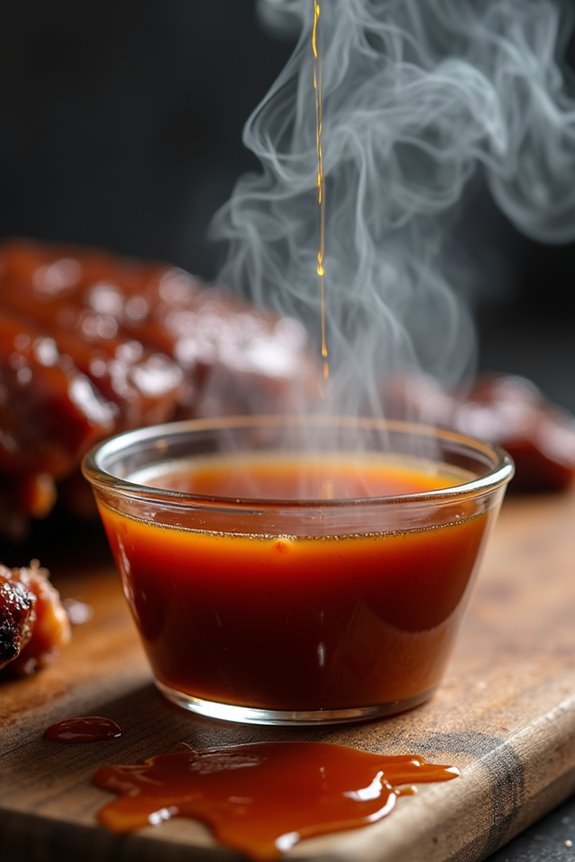
You might think checking the ingredient list is enough, but here’s the thing: even naturally gluten-free sauces can pick up gluten during manufacturing on shared equipment. Facilities that process wheat, barley, or other gluten grains in the same space risk contaminating your BBQ sauce through cross-contact, no matter how clean they claim to be. That’s why you’ll want to look for explicit gluten-free certifications (like under 20 ppm) instead of just assuming a sauce is safe because gluten isn’t listed.
Cross-Contamination During Manufacturing
What if a BBQ sauce contains zero gluten ingredients but still isn’t safe for celiac disease? That’s where gluten cross-contamination enters the picture. You see, many facilities produce both gluten and gluten-free products simultaneously. Shared equipment, utensils, and bottling lines transfer tiny gluten particles between products without you knowing it.
Here’s the tricky part: those trace amounts won’t appear on ingredient labels. A sauce manufactured on shared lines can pick up gluten from cleaning agents or storage areas. That’s why checking for gluten-free certification matters more than reading ingredients alone.
Look for GFCO certification or explicit gluten-free labeling on your bottle. Don’t just trust the ingredient list. Contact manufacturers directly when you’re unsure. You deserve sauces you can confidently enjoy without worry.
Shared Equipment and Facilities
Even though a BBQ sauce’s ingredient list looks totally clean, the factory where it’s made tells a different story. You see, shared facilities create serious cross-contact problems. When manufacturers run gluten products on the same equipment without proper cleaning, they contaminate gluten-free batches. Those shared dispensing lines and storage surfaces transfer gluten particles invisibly.
Here’s the thing: you can’t rely on ingredients alone. A sauce might contain only gluten-free components, yet still harbor gluten from processing. That’s why you’ll want to hunt for gluten-free certification labels. Look for GFCO-certified products (under 10 ppm) or dedicated gluten-free production statements.
Check both the ingredient list and facility information. Ask yourself: did they process wheat here? Choosing brands with separate production lines gives you real peace of mind.
Hidden Gluten In Processing Agents
So here’s where it gets tricky: the real culprit isn’t always hiding in the ingredient list.
You might grab a sauce that looks completely safe. But manufacturers use hidden processing aids you’ll never see listed. Here’s what actually matters:
- Barley malt flavoring sneaks into sauces during production, not mentioned upfront
- Shared equipment cross-contaminates products even when ingredients are naturally gluten-free
- Wheat-based thickeners get added during manufacturing for texture
- Processing lines transfer gluten traces from other products made nearby
That’s why you can’t trust ingredient lists alone. Gluten-free labeling and GFCO certification matter way more than you’d think. They mean manufacturers actually tested the final product. Cross-contamination happens constantly in facilities producing multiple sauces. So when you’re shopping, skip the “looks safe” assumption. Hunt for explicit gluten-free labeling instead.
Malt Vinegar, Worcestershire & Other Hidden Culprits
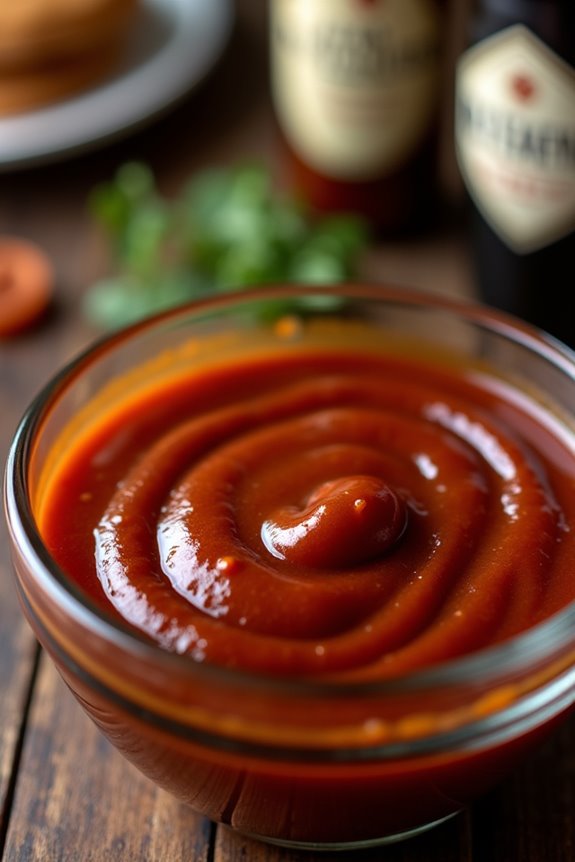
you’re reading a BBQ sauce label and everything looks safe. Then you spot malt vinegar listed there. That’s hidden gluten sneaking in. Malt vinegar comes from barley, which contains gluten. Many mainstream brands use it without specifying “gluten-free” on the label.
Worcestershire sauce is another culprit you’ll find in countless BBQ sauces. Traditionally made with wheat, it can derail your gluten-free diet unless the label explicitly states otherwise.
Barley malt extract hides in specialty sauces too. These processing agents thicken and flavor your sauce while potentially containing gluten.
Here’s the thing: you can’t assume safety just because gluten ingredients aren’t visible. Cross-contamination happens during manufacturing. Always look for clear “gluten-free” certification or labels. Don’t settle for guessing—your health’s worth the label check.
Cross-Contamination: Why Some “Gluten-Free” Sauces Still Aren’t Safe
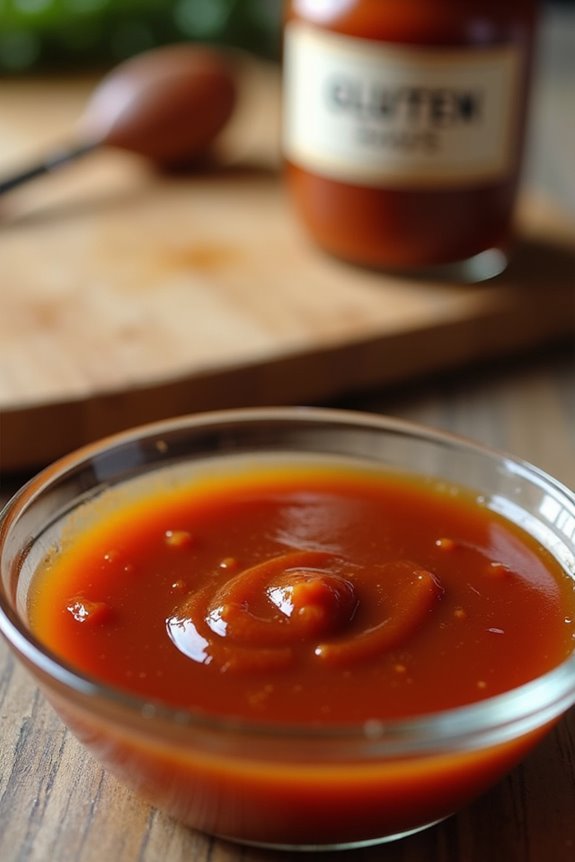
Even if you pick a sauce with zero gluten ingredients listed, you’re not totally safe yet. Many factories process wheat products on the same equipment or in the same space, which means your “gluten-free” BBQ sauce could pick up traces during production. You’ll want to hunt for explicit gluten-free labels or certifications rather than just trusting the ingredient list alone.
Processing Facility Risks
Why does a “gluten-free” label sometimes feel like a question mark instead of a guarantee?
Here’s the thing: your sauce’s safety depends heavily on where it’s made, not just what’s in it. Processing facilities create real risks you can’t see.
- Shared equipment like bottling lines and mixers transfer trace gluten into products
- Vinegar sourcing and malt-based ingredients come from gluten-handling facilities
- Flavorings produced in cross-contaminating plants sneak gluten into your bottle
- Most brands don’t disclose their actual cross-contamination controls
You deserve transparency. That’s why seeking GFCO-certified products matters—they’ve proven their facility practices. Don’t hesitate contacting manufacturers directly about their equipment and sourcing. They’ll tell you if they’re truly protecting your health. Your trust shouldn’t depend on guesswork.
Shared Equipment Concerns
So here’s what happens behind the scenes: that gluten-free label doesn’t guarantee your bottle never touched gluten. You might grab a sauce thinking it’s safe, but shared equipment creates real risks. The same grinder, bottling line, or utensil that processes your sauce may also handle wheat or barley products. This cross-contamination happens before packaging, so gluten-free labeling alone won’t protect you.
Even “certified” sauces can have issues. Manufacturing facilities sometimes run different products on identical equipment without thorough cleaning between batches. You’re essentially playing Russian roulette with trace gluten particles.
That’s why checking for explicit facility statements matters. Look for manufacturers who openly discuss their cross-contamination prevention. When doubt creeps in, contact producers directly. They’ll tell you whether their equipment handles gluten-containing ingredients. You deserve transparency.
How to Read BBQ Sauce Labels for Gluten-Free Certification
When you’re standing in the grocery aisle squinting at tiny label text, here’s what actually matters: look for the words “gluten-free” or the GFCO (Gluten-Free Certification Organization) seal right up front.
You’re basically hunting for three key signals:
- GFCO certification – This seal means the sauce meets strict standards (under 10 ppm gluten). It’s your gold standard.
- Explicit “gluten-free” labeling – Without certification, products must stay under 20 ppm to claim this label legally.
- Ingredient statements – Scan for sneaky culprits like barley malt, wheat-based soy sauce, or bourbon that introduce hidden gluten.
- Cross-contamination warnings – Check if they mention shared equipment. Absence means safer processing.
Don’t assume a sauce is safe just because gluten ingredients aren’t listed. You’ve got this!
Gluten-Free Labels vs. Certifications: Which One Actually Matters?
you’ll see “gluten-free” slapped on tons of BBQ sauces these days, but not all claims are created equal. A basic gluten-free label tells you there’s no obvious gluten ingredient listed. However, it doesn’t guarantee safety from cross-contamination during manufacturing.
That’s where GFCO certification steps in as your real MVP. This certification means someone actually tested the sauce and confirmed gluten content stays below 10 ppm (parts per million). You’re getting solid assurance, not just a promise.
Some brands sit in the middle ground. They claim gluten-free status without GFCO verification, which leaves you with less confidence. When you’re shopping, prioritize GFCO-certified options or explicit gluten-free labeling. It’s worth the extra look—your peace of mind’s worth it.
6 Trusted Gluten-Free BBQ Sauce Brands That Deliver

Now that you know what to look for—GFCO certification or clear gluten-free labeling—let’s talk about brands that actually walk the walk.
Now that you know what to look for—GFCO certification or clear gluten-free labeling—let’s talk about brands that actually walk the walk.
You’ll want to prioritize these reliable options when you’re shopping:
- Brands with GFCO certification — They’ve passed strict testing and stay below 20 ppm gluten levels.
- Products with explicit “gluten-free” claims — Clear labeling means they’ve tackled cross-contamination risks seriously.
- Sauces listing certifications prominently — You’ll spot them easily on the bottle or packaging.
- Options verified by celiac communities — Real people with gluten sensitivities trust these brands.
Here’s the thing: you’re not just avoiding obvious gluten ingredients anymore. You’re choosing brands that actually test for hidden contamination. That’s the real difference between “probably fine” and genuinely safe. These trusted brands understand what you need—and they prove it through certification and transparency.
Make Your Own Gluten-Free BBQ Sauce
Why spend money on store-bought when you can make something better at home?
You’ll control every ingredient in your homemade BBQ sauce. Start with certified gluten-free basics like ketchup, brown sugar, and apple cider vinegar. Add Dijon mustard and gluten-free Worcestershire or tamari for depth. These gluten-free ingredients give you genuine flavor without wheat-based thickeners sneaking in.
Want smoky notes? Check that whiskey or flavorings are certified gluten-free first. Some aren’t, and that’s where people slip up.
Here’s the best part: you’re joining the crowd who actually knows what’s in their food. Store your creation in an airtight refrigerator container for up to a month. Freeze it longer if you’re batch-cooking.
You’ve got this.
BBQ Sauces to Avoid on a Celiac Diet
Making your own sauce gives you complete control, but store-bought options aren’t always safe. You’ll want to skip several popular brands when managing celiac disease.
Making your own sauce gives you complete control, but store-bought options aren’t always safe for celiac disease management.
Here’s what to avoid:
- Budweiser barbecue sauces – They contain barley-based beer, which has gluten. Skip these entirely.
- Bulls-Eye BBQ Sauce – While it lists no gluten ingredients, cross-contamination risks exist during processing.
- Hunts BBQ Sauce – Conagra doesn’t label these gluten-free, suggesting potential gluten content lurks inside.
- Kraft barbecue sauces – Most aren’t labeled gluten-free, so you can’t guarantee safety even without visible gluten ingredients.
Trader Joe’s Organic Kansas City Style BBQ Sauce also isn’t on current gluten-free lists. Without explicit gluten-free confirmation, it’s risky. You’re better off choosing labeled gluten-free options or making your own sauce at home where you control everything.