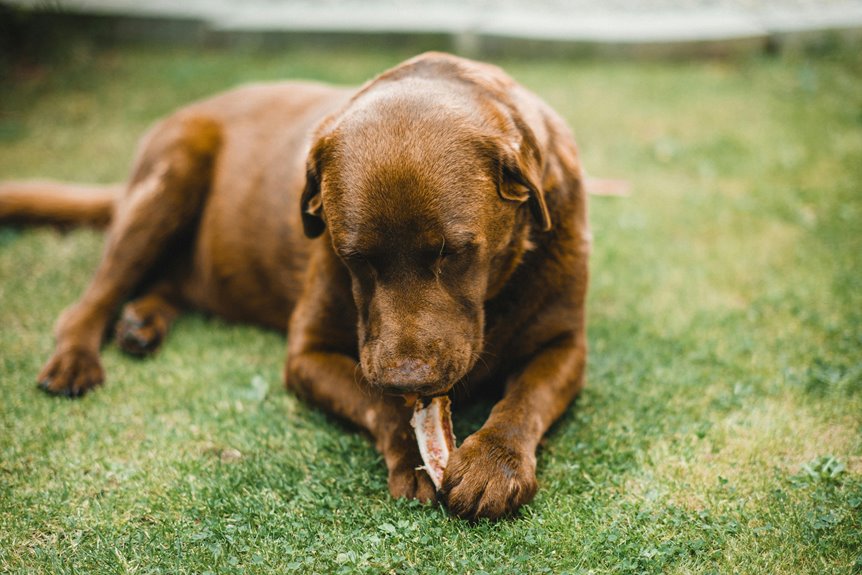
Beef gullet is a single-ingredient chew made from cattle esophagus that gives your dog a naturally digestible, long-lasting treat. You’ll get high protein, low fat, plus natural glucosamine and chondroitin for joint support—no weird fillers or added sugars. A standard 6-inch stick works great for daily chewing sessions. The braided texture helps scrape tartar and massage gums while your dog chews. Start with smaller portions for puppies or first-timers, supervise the session, and remove it if it shrinks to choking size. Stick around to discover exactly how to pick the right size for your specific pup.
What Is Beef Gullet and Why Dogs Need It?
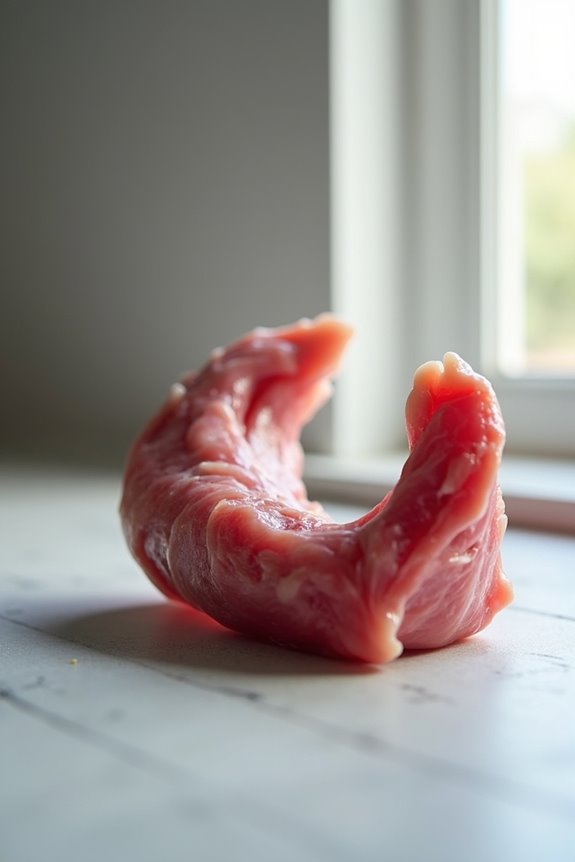
Beef gullet chews are basically your dog’s favorite snack wrapped in one simple ingredient—the esophagus of cattle. You’re getting a single-ingredient treat that’s honestly pretty straightforward. Your dog gets high protein and low fat, which keeps them satisfied without the guilt. Here’s the thing: these chews naturally contain glucosamine and chondroitin. Those nutrients support your dog’s joints, especially if they’re getting older or more active. Your pup also benefits during chewing because it stimulates their gums and tackles plaque buildup. It’s like a dental cleaning session they actually enjoy. You’ll appreciate that beef gullet has no added sugars or weird additives. Every life stage dog can handle this treat, and it’s easy for their bodies to digest. Basically, you’re giving them nutrition wrapped up as entertainment.
Why Single-Ingredient Beef Gullet Is Better for Your Dog’s Joints
Now that you understand what makes beef gullet special, let’s talk about why it’s particularly great for your dog’s joints. Single-ingredient beef gullet gives you peace of mind because there’s nothing hiding in the chew. You’re getting pure protein and natural glucosamine and chondroitin—the joint-support compounds your dog’s body actually needs. Unlike multi-ingredient chews, you won’t worry about triggering allergies or digestive issues. Here’s the thing: when your dog chews on beef gullet for extended periods, they’re consistently getting joint-supporting nutrients. The simplicity means fewer potential irritants, which matters whether you’ve got a senior pup or a young pup. You’re basically giving your dog’s joints a fighting chance while keeping things straightforward and honest.
How Beef Gullet Promotes Dental Health in Dogs?
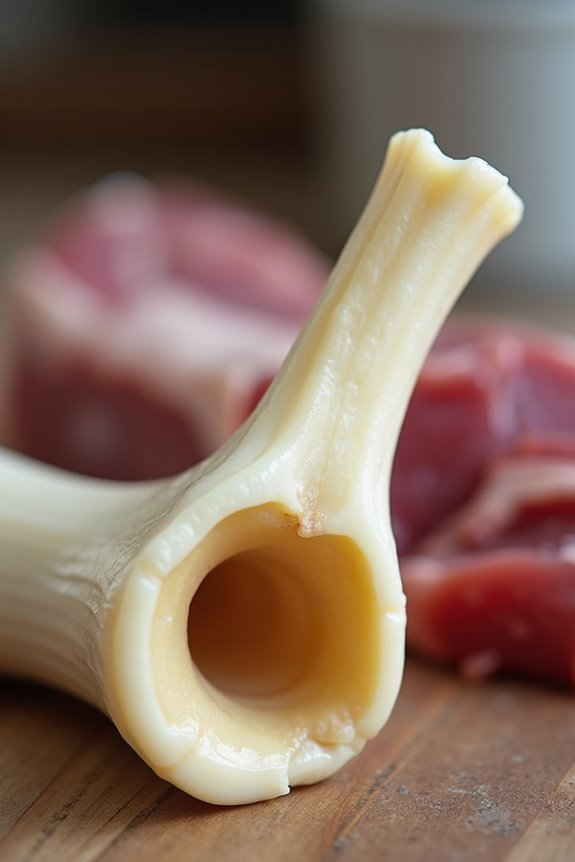
Chewing on beef gullet does more than keep your dog entertained—it’s actually working hard on their teeth and gums. The natural texture mechanically scrubs away plaque buildup while your pup chews. That braid-like shape forces them to work harder, massaging gums and stimulating blood flow to the area.
| Dental Benefit | How It Works | Your Dog Gains |
|---|---|---|
| Plaque Removal | Mechanical scrubbing action | Cleaner tooth surfaces |
| Tartar Reduction | Prolonged chewing stimulation | Less buildup over time |
| Gum Health | Gentle massage during chewing | Stronger, healthier gums |
| Breath Quality | Reduced bacteria from plaque | Fresher breath naturally |
| Long-Lasting Chew | Extended engagement time | More dental benefits per chew |
Since beef gullet contains no added sugars or fillers, you’re supporting oral health without sneaky ingredients sabotaging your efforts. Your dog gets a protein-packed treat that actually earns its place in their routine.
Is the 6-Inch Stick Size Right for Your Dog?
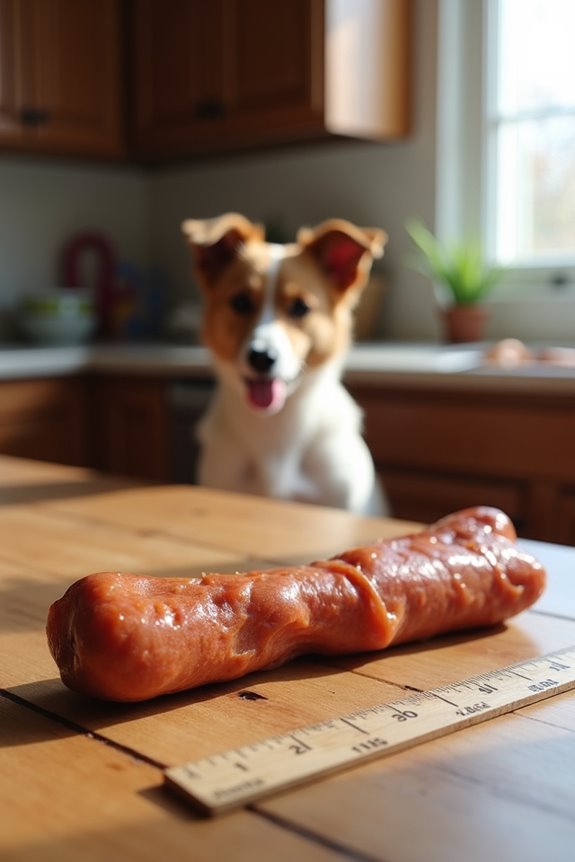
Gullet-stick sizing isn’t one-size-fits-all, and that’s where things get tricky. A 6-inch beef esophagus stick works great for most adult dogs, but your pup’s size and chewing style matter. Smaller breeds might struggle with something that long, while aggressive chewers could demolish it faster than you’d expect.
You’re looking at 20 sticks per bag, each weighing about 0.21 kilograms total. That’s your clue these aren’t ultra-heavy-duty chews. They’re built for moderate chewers who like lasting satisfaction, not speed demons.
Here’s the real talk: watch your dog closely during chewing. If your pup shows gagging signs or tries swallowing huge chunks, that 6-inch length probably isn’t your match. Bigger dogs typically handle it just fine.
How Does Beef Gullet Compare to Other Long-Lasting Chews?
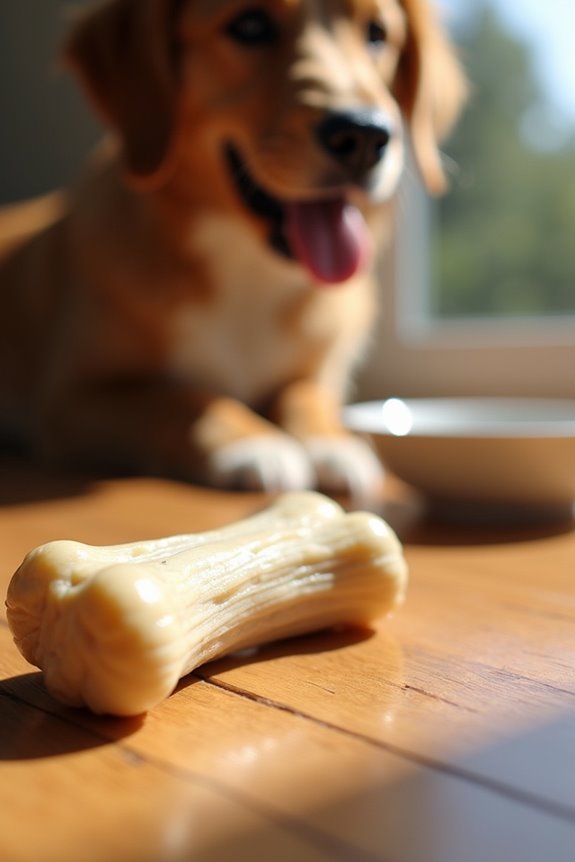
When you’re comparing beef gullet to other long-lasting chews, you’ll notice it strikes a solid middle ground on durability. Your dog gets high protein, low fat nutrition without the artificial stuff you’d find in flavored alternatives, which means healthier chewing sessions. The 6-inch sticks won’t outlast hard antlers or nylon chews, but they’ll definitely last way longer than soft jerky treats.
Nutritional Advantages Beef Gullet Offers
Why do so many dog owners overlook beef gullet when comparing chews? You’re likely missing out on a nutritional powerhouse. Beef gullet delivers high protein and low fat, which keeps your pup lean without the guilt. Unlike treats loaded with added sugars and artificial stuff, you’re giving your dog something genuinely simple and clean.
Here’s what makes it stand out: beef gullet naturally contains glucosamine and chondroitin from connective tissue. These support joint health, especially for aging dogs or active breeds. Plus, the long-lasting chewing action promotes dental health by reducing plaque buildup.
You won’t find unnecessary additives here. When you choose grass-fed, free-range beef gullet, you’re selecting an additive-free option that digests well. It’s the kind of choice that feels right because it actually is.
Durability and Longevity Comparison
they’ve got some serious staying power. Your dog will work on a 6-inch stick way longer than typical soft treats. The natural braid shape and dense, fibrous texture slow down chewing significantly.
Now, how do they stack up against other options? Beef gullet generally outlasts softer, single-serving chews by a mile. However, bully sticks might edge them out in durability, depending on your dog’s size and chewing style. A heavy chewer could power through either option faster than you’d expect.
The real win? You’re getting extended chew time that encourages gum stimulation and tartar reduction. That’s the dental bonus that makes beef gullet worth considering. Your pup stays occupied longer while their teeth benefit. That’s a win-win situation right there.
Where Does It Come From? Grass-Fed and Sustainable Sourcing
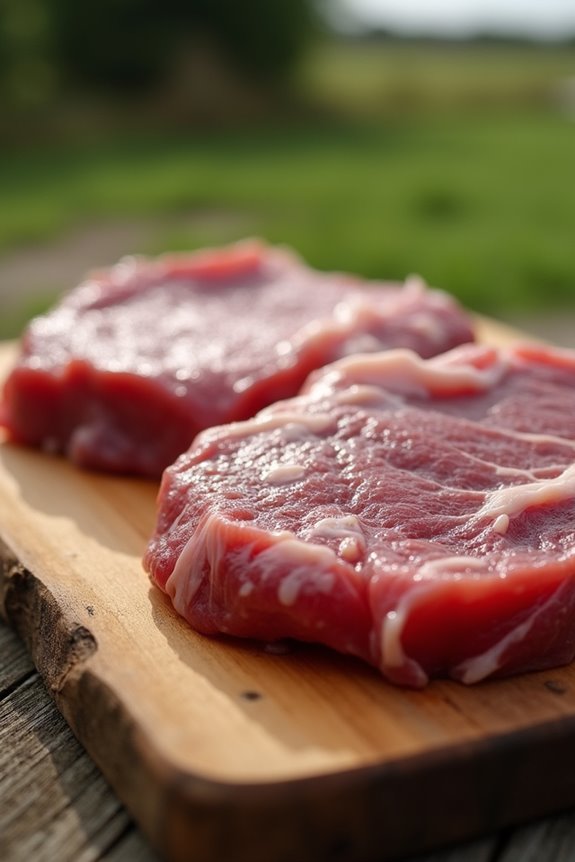
If you’re wondering about the backstory of your dog’s beef gullet chew, here’s the good news. You’re getting a product from grass-fed, free-range cattle that actually grazed on pastures. These animals ate natural forage instead of grain-heavy feeds, which matters for quality.
Sustainable sourcing means real farmers prioritize ethical treatment and healthy grazing land. They minimize chemical use and focus on long-term pasture-based feeding practices. This approach reduces environmental impact while supporting humane farming standards.
When you choose beef gullet from grass-fed sources, you’re supporting livestock raised the way nature intended. The gullet itself comes minimally processed, preserving its natural chewing benefits for your dog. It’s a win-win: your pup gets a quality chew, and you’re backing responsible farming practices.
How Often Should Dogs Chew Beef Gullet?
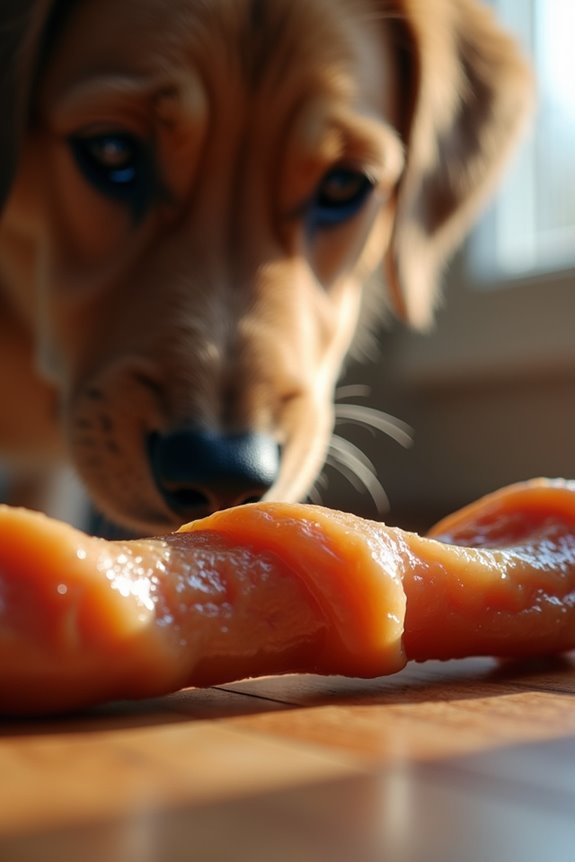
You’ll want to offer your dog one beef gullet chew per day or every other day, depending on their appetite. Smaller breeds and puppies need shorter chewing sessions since that 6-inch stick can last for hours. Age, size, and how fast your pup chews all matter when you’re figuring out the perfect routine for them.
Daily Chewing Guidelines
Beef gullet sticks work best as part of your dog’s routine, not an all-day snack situation. You’ll want to offer these treats during designated chew times, maybe once daily for most dogs. The right frequency depends on your dog’s size and how aggressively they chew. A small pup might enjoy one shorter session, while a larger, intense chewer could handle more frequent access. Think of them like brushing teeth—beneficial when done consistently but pointless if you overdo it. Most dogs do well with supervised chewing sessions lasting 15-30 minutes. Monitor your pup closely during these times to catch any issues early. Adjust frequency based on what you notice about your dog’s digestion and enthusiasm.
Age And Breed Considerations
How’s your dog’s age and breed shaping their chewing habits?
Puppies and senior dogs need different approaches than adults. Younger pups have developing teeth, so shorter chewing sessions work best for them. Adult dogs typically handle beef gullet sticks really well with consistent use. Seniors might prefer softer options if their teeth aren’t what they used to be.
Your dog’s size matters too. Smaller breeds do fine with 6-inch sticks broken into portions. Larger dogs with intense chewing power can handle whole sticks more easily. High-energy breeds need more frequent chewing outlets than laid-back companions.
Start with what fits your dog’s age and energy level. Watch how they handle it. Every dog’s different, so adjust based on what you notice about their chewing style and digestive response.
Long-Lasting Chew Duration
Once you’ve matched the right gullet stick to your dog’s age and size, the next question’s obvious: how long will it actually last?
A 6-inch beef esophagus gullet like Amazing Dog Treats Gullet Sticks delivers serious chew time. You’re looking at extended sessions compared to softer treats, which is exactly why we love them. Here’s the thing though: duration really depends on your dog’s personality.
Does your pup aggressively chomp everything? Shorter sessions. Are they a slow, methodical chewer? You’ll get way more mileage. Jaw strength and chewing habits make a real difference.
The natural, single-ingredient beef means nothing artificial speeds up consumption. Supervise those chewing sessions and let your dog work at their own pace. You’ll maximize both enjoyment and lasting value.
Signs Your Dog Is Ready for Beef Gullet Treats
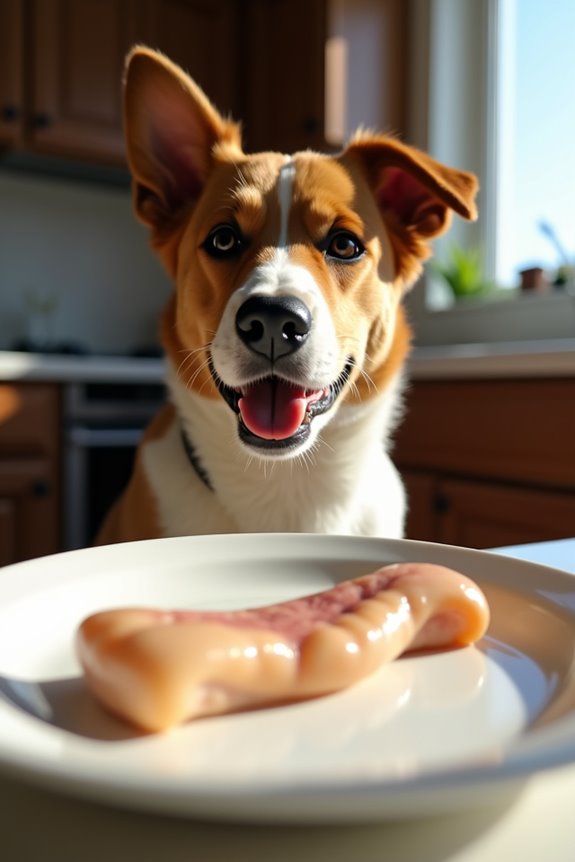
Want to know if your pup’s ready for beef gullet? Check if your dog chews smoothly without coughing or gagging. Dogs who love single-ingredient chews and get excited about stick-like textures are usually great candidates. Your pup should have healthy teeth and gums that handle dental chews well. Size matters too—most dogs do fine with 6-inch beef gullet sticks when you supervise playtime. Watch for red flags like sudden chewing reluctance, excessive drooling, or upset stomachs after trying them. If your dog shows these warning signs, pause and give their system time to adjust. You know your pup best, so trust your gut about what feels right for them.
Preventing Choking: Supervision Guidelines by Dog Size

You’ll need to tailor your supervision approach based on your dog’s size, since what’s safe for a large breed might be risky for a tiny one. Small dogs require close watching and shorter chew pieces, while medium and large dogs need monitoring during their first few sessions. Regardless of size, you’ve got to stay alert for coughing, gagging, or pieces becoming small enough to swallow whole.
Small Breeds: Safety Precautions
How can you keep your tiny pup safe while enjoying beef gullet chews?
Small breeds need extra care with beef gullet chews. Their smaller mouths and airways mean you’ve got to be more cautious than owners of larger dogs. Here’s what works for us small-dog parents:
- Supervise closely and keep things calm – Watch your pup the entire time they’re chewing, and make sure they’re sitting peacefully, not running around or playing rough.
- Offer appropriately sized pieces – Break the gullet into smaller chunks before giving it to your dog, or choose pre-cut pieces designed for small breeds.
- Keep sessions short – Limit chewing time to prevent fatigue and reduce choking risks.
If your pup’s new to chewing or has a choking history, chat with your vet first. They’ll give you personalized guidance for your specific dog.
Medium Dogs: Monitoring Best Practices
Medium dogs get a bit more freedom with beef gullet chews than their tiny counterparts, but they still need your watchful eye. A 6-inch stick works great for them, but supervision isn’t optional—it’s essential.
Here’s what you’ll do: watch for strong chewing bursts, then pause every few minutes. Check that your dog breathes steadily and isn’t aspirating anything. If the piece gets small enough to swallow whole or triggers gagging, remove it immediately.
Pay extra attention if your dog’s around ½ to 1 year old or has dental work. Their chewing gets aggressive, which raises choking risks considerably.
Set up a calm, distraction-free space for chew time. Stop immediately if you notice coughing, drooling, or repeated gagging. You’ve got this—just stay present.
Large Canines: Supervision Essentials
Why does supervision matter even more for large dogs? Your big buddy can consume beef gullet incredibly fast, sometimes swallowing chunks whole. That’s why staying present during chew sessions is non-negotiable.
Here’s what you’ll want to focus on:
- Watch for rapid consumption – Large dogs power through chews quickly, so you need to intervene before pieces become dangerous.
- Monitor chunk size – Keep pieces visible and substantial enough that your dog can’t accidentally inhale them.
- Watch for warning signs – If you notice coughing, wheezing, or struggling, remove the chew immediately.
Start by supervising every session closely. Once you’re confident your dog chews safely without attempting huge swallows, you can gradually give more independence. Remove any splinters promptly and offer water nearby.
Storing Beef Gullet to Maintain Freshness and Quality

Wondering how long those beef gullet sticks’ll stay fresh? You’ll want to seal them up tight in an airtight container or bag right away. Keep them in a cool, dry spot away from sunlight—your pantry’s perfect for this. Direct sunlight and moisture are basically freshness killers, so avoid leaving them sitting out.
Check your Sunrise Farms packaging for specific storage tips. Most manufacturers recommend refrigerating after you open the bag to slow down bacteria growth and keep quality high. Always check that best-before date and use your treats within the timeframe it suggests.
Following these simple steps means your dog gets the best chewing experience possible. Proper storage isn’t complicated—just seal, store cool, and stay on top of dates.
Will My Dog’s Stomach Handle It? Digestibility Answers
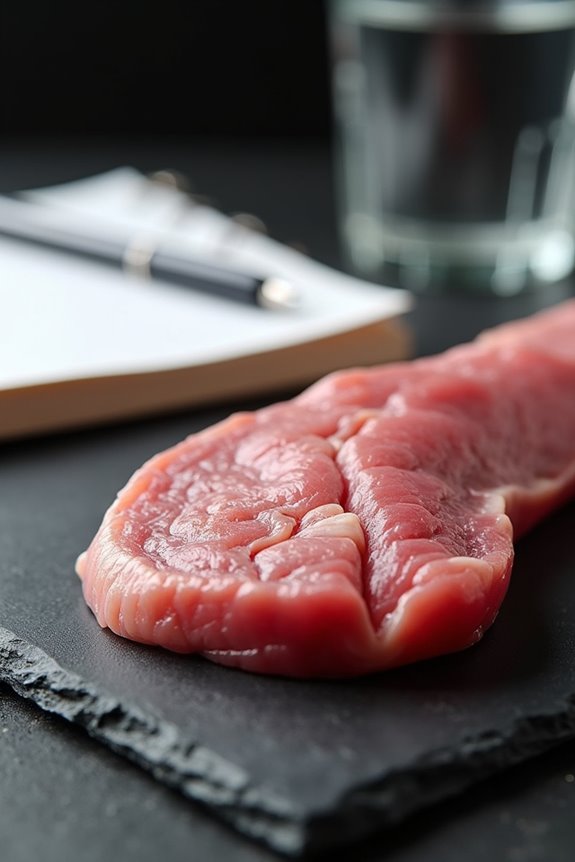
You’ll find that beef gullet’s single-ingredient makeup makes it surprisingly digestible for most dogs across all life stages. Your pup’s stomach absorbs the natural nutrients efficiently since there’s no added fillers or weird stuff getting in the way. That said, every dog’s got their own digestive personality, so watch how yours handles it before making it a regular thing.
Single-Ingredient Digestibility Profile
One of beef gullet’s biggest perks? It’s honestly just beef—nothing else hiding in there. Your dog gets pure animal tissue without confusing additives or fillers.
Here’s why that matters for digestion:
- No complex ingredients to process – Your pup’s stomach doesn’t need to decode mysterious mixtures, just straightforward protein.
- Fewer digestive triggers – Dogs with sensitive stomachs often handle single-ingredient chews better than multi-component treats.
- Easier to monitor tolerance – You’ll quickly spot if beef gullet works for your dog or if they need alternatives.
Most dogs tolerate beef gullet well since it’s natural animal tissue. That said, every dog’s different. Start with small pieces first. Watch how your pup’s stomach responds. This approach helps you spot any issues early before committing to longer chews.
Natural Nutrient Absorption Rate
Can your dog’s digestive system actually break down beef gullet properly? Yes, it absolutely can. Since beef gullet is just one ingredient with no fillers, your dog’s stomach processes it way more predictably than fancy multi-ingredient treats. The protein and minerals absorb at a steady rate, which means fewer surprise digestive hiccups.
Here’s the thing: your dog’s ability to handle it depends on their size, age, and stomach sensitivity. A sturdy adult dog tackles a whole gullet chew without issues. Puppies and senior dogs? They might need smaller portions. Start with thumb-sized pieces and watch your pup’s stool consistency for a week or two. Most dogs handle it beautifully. You’ll notice consistent energy levels and healthy digestion when the chew works for your dog.
Safe Consumption For All Ages
Most dogs digest beef gullet without any trouble whatsoever. You’ll find that this naturally chew works well across different life stages. Here’s what you should know:
- Puppies benefit from gentle chewing that supports their developing teeth and digestion without harsh additives.
- Senior dogs enjoy easier digestion since beef gullet breaks down naturally in their stomachs without straining their systems.
- All sizes handle it well when you match portion sizes—like a 6-inch stick—to your dog’s chewing pace.
That said, individual tolerance varies. When you introduce beef gullet, watch for any digestive upset. Start with smaller portions and monitor your pup’s response. You’re not overthinking it by taking these precautions. You’re just being a responsible dog owner who wants your buddy thriving, not struggling.
Incorporating Beef Gullet Into Your Dog’s Daily Routine

Adding beef gullet to your dog’s routine works best when you treat it like a scheduled chew-time activity, not just a random snack. You’ll want to offer one during supervised chewing sessions—maybe after meals or before bedtime. This consistency helps your pup know what to expect.
A 6-inch stick from standard 20-count bags works perfectly for daily portions. Let your dog work through it naturally; you’re not rushing the process here. The long-lasting nature means your dog gets extended jaw stimulation and dental benefits simultaneously.
Think of gullet as your secret weapon against plaque buildup. While your dog chews, they’re naturally removing tartar and massaging their gums. It’s basically a workout and dental cleaning rolled into one. Your dog stays occupied, and you’ve tackled oral health without the hassle.
Does Every Dog Breed Benefit From Beef Gullet?

Whether your dog’s a tiny Chihuahua or a massive Great Dane, beef gullet isn’t a one-size-fits-all solution. Your pup’s individual needs matter way more than breed alone. Here’s what you should consider:
- Size compatibility – Small breeds need shorter pieces to prevent choking risks safely.
- Chewing intensity – Vigorous chewers handle tougher textures better than gentle nibblers do.
- Age and health – Puppies and senior dogs may need softer alternatives or supervision.
Larger breeds often thrive with 6-inch sticks that last longer. Smaller pups do better with bite-sized portions. The real trick? Watching your dog’s unique style and adjusting accordingly. Supervise chewing time, check their weight and age, and stay flexible. What works for your neighbor’s Lab might not work for yours. That’s totally normal, and honestly, it’s what makes finding the perfect chew rewarding.
Safe Supervision: What to Watch While Your Dog Chews
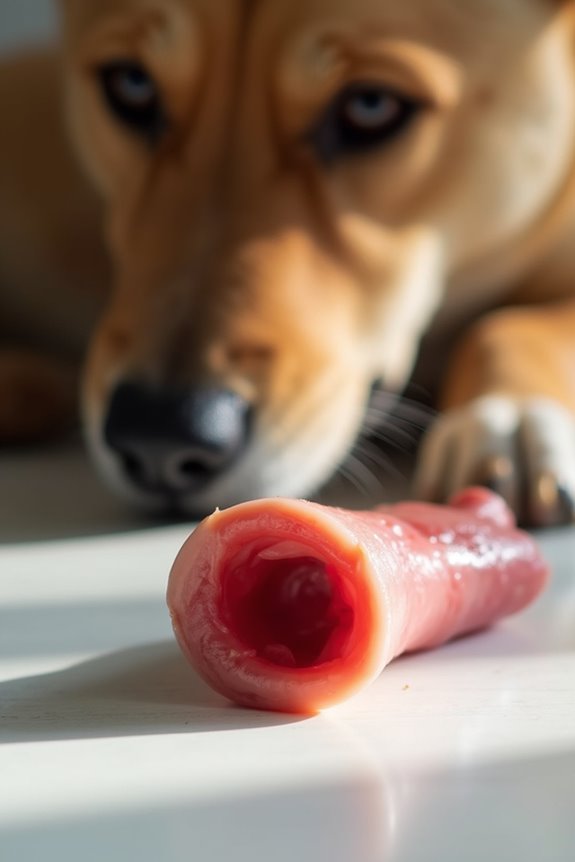
So what’s the deal with watching your dog chew beef gullet? You’ve gotta stay present during chew time—seriously. Keep your eyes on your pup for signs of trouble like excessive drooling, coughing, or gagging. These red flags mean you should stop the session immediately.
Position your dog on a stable surface so the chew won’t slip around unexpectedly. Watch how quickly they’re working through it too. If it shrinks to a size they could swallow whole, remove it right away. That’s your safety net against choking.
After chewing ends, peek inside their mouth and throat for leftover pieces or irritation. Remove any broken fragments you spot. This simple check prevents digestive issues down the road. Staying engaged keeps your dog safe and happy.
First-Time Beef Gullet: How to Introduce It Safely
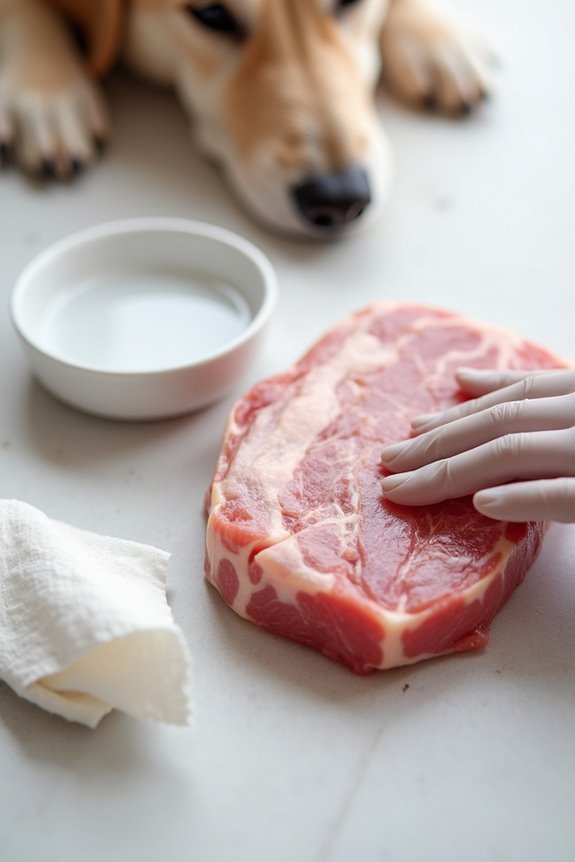
Now that you know how to keep watch, it’s time to actually offer your dog their first beef gullet. You’re joining a community of dog parents who’ve discovered this game-changing chew. Here’s how to nail the introduction:
- Start small with a 6-inch stick to gauge your dog’s chew tolerance and watch for choking risks.
- Choose single-ingredient, grain-free gullet from grass-fed cattle to minimize stomach upset and digestion problems.
- Offer water nearby and supervise closely, removing any fragments your dog chews off to prevent blockages.
Watch for hesitation, coughing, or vomiting beyond a brief adjustment period. If your pup shows these signs, stop immediately and call your vet. You’ve got this—your dog’s about to discover their new favorite activity.