
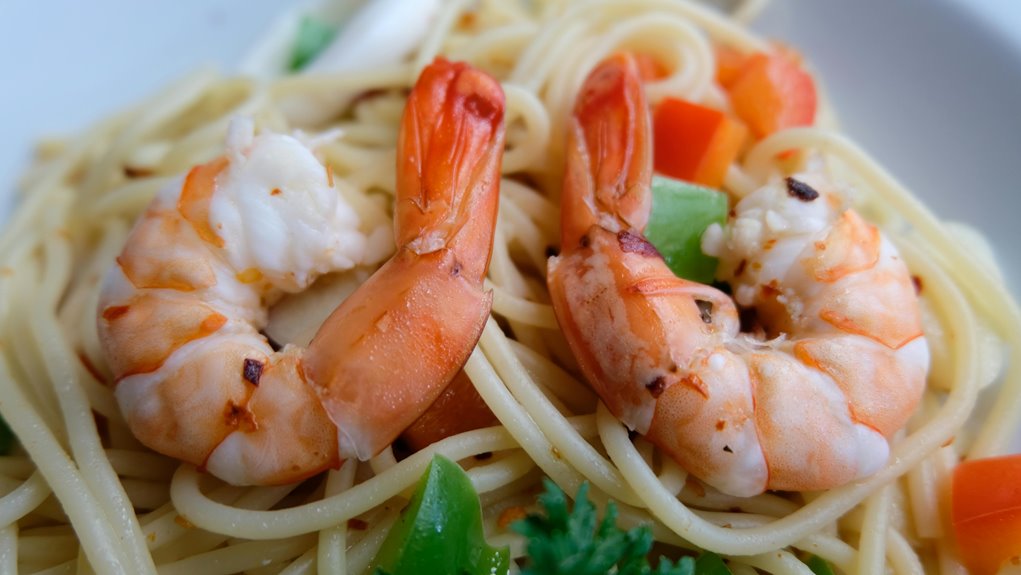
Tiger shrimp earned their “Tomahawk of the Sea” nickname for good reason. You’re getting firm, dense meat that doesn’t turn mushy under high heat—perfect for pan-searing or grilling. They handle bold seasonings and smoky char way better than smaller varieties, delivering consistent flavor across every bite. Their natural sweetness pairs beautifully with citrus and butter. Plus, Asian farms keep them available year-round, so you’re not hunting for seasonal stock. There’s plenty more to uncover about cooking them right.
Why Tiger Shrimp Command Attention

You’ll find them year-round thanks to Asian farm-raising, despite seasonal wild-caught variations elsewhere. That’s consistency and quality you can rely on. They’ve earned their nickname—the “Tomahawk of the Sea”—honestly. When you want shrimp that actually commands attention, tiger shrimp are your answer.
Bold Flavor That Holds Strong Seasonings
- Why do tiger shrimp handle aggressive marinades better than smaller varieties? You’re working with thick firm meat that doesn’t back down from bold flavors. Their resilient texture absorbs intense seasonings without losing its natural sweetness.
- Here’s what makes tiger shrimp flavor so forgiving:
- Size advantage: Up to 13 inches means more surface area for marinades to grip
- Firm texture: Dense meat holds flavor through grilling, smoking, and heavy sauces
- Natural sweetness: Seafood-forward profile complements charcoal char and smoky rubs beautifully
- Consistent delivery: Each bite reinforces flavor without fading or becoming overwhelmed
- Think of them like lobster tails with serious staying power. You can pile on garlic, cajun spices, or smoky rubs without worry. Your tiger shrimp won’t wilt under pressure—they’ll actually shine brighter.
Meaty Texture Built for High-Heat Cooking
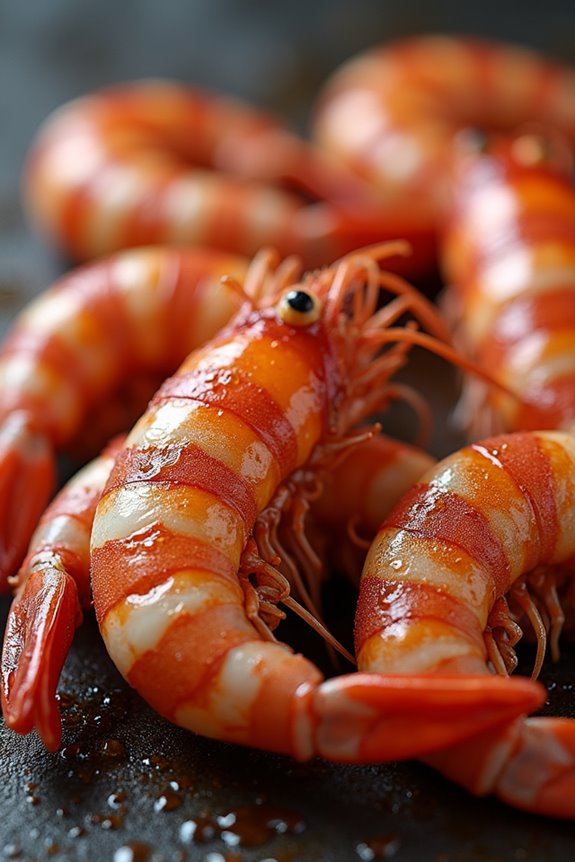
You’ve got to experience tiger shrimp in a screaming-hot cast iron skillet or on the grill to really get it. Their dense, meaty texture won’t turn into mush like smaller shrimp do, and you’ll nail that gorgeous charred crust in just a few minutes. Once you master high-heat techniques with these 13-inch powerhouses, you’ll never go back to cooking them any other way.
Robust Flavor and Snap
Tiger shrimp’s meaty texture and sturdy flavor make them a high-heat cooking dream. You’ll notice their robust flavor stands up brilliantly to bold seasonings and grilling. The pronounced snap when you bite down delivers pure satisfaction, and that firmness keeps them juicy even at intense temperatures.
Here’s what makes them special:
- Strong, savory taste that doesn’t disappear under heat
- Characteristic dark stripes signaling quality flesh
- Substantial bite that feels genuinely satisfying
- Lobster-like richness in simple butter or garlic preparations
Their density means you can sear, grill, or flash-fry them without worry. You won’t accidentally overcook them into rubbery disappointment. Whether you’re adding citrus, garlic, or keeping it simple, tiger shrimp deliver the flavor intensity you’re craving. They’re basically the reliable friend who shows up ready to perform.
Cast Iron Cooking Method
Ever wonder how to unlock tiger shrimp’s full potential? Cast iron’s your secret weapon. When you heat cast iron properly, it holds intense, consistent heat that tiger shrimp absolutely love. Their hefty shells and meaty bodies stand up beautifully to high-heat searing without drying out. You’ll develop that gorgeous, caramelized crust while keeping the inside tender and juicy.
Here’s the magic: rendered butter pools in your hot cast iron, coating those shrimp and creating a rich, slightly smoky finish. You’re essentially building layers of flavor with every sizzle. The heavy pan ensures even cooking from edge to center, so no rubbery spots surprise you mid-bite.
Basically, cast iron transforms tiger shrimp into something restaurant-quality in your own kitchen.
High-Heat Grilling Techniques
What makes grilling tiger shrimp so satisfying? You’re working with nature’s perfect grilling protein. Their firm, meaty texture handles intense heat without falling apart. You’ll love how they respond to high-heat cooking.
Tiger shrimp grilling is straightforward when you know what’s happening:
- Shell-on weight insulates meat, keeping it juicy during quick cooking
- Thick exoskeleton reduces heat penetration, preventing overcooking
- Firm flesh produces satisfying char and snap, not mushiness
- About 4–5 minutes total cook time delivers perfectly seared shrimp texture
Your secret? Heavy charcoal or gas flames create that smoky, crispy exterior while keeping the inside tender. Turn once for even searing. That’s it. You’re getting restaurant-quality results at home, and honestly, it’s easier than you’d think.
Year-Round Availability From Asian Farms
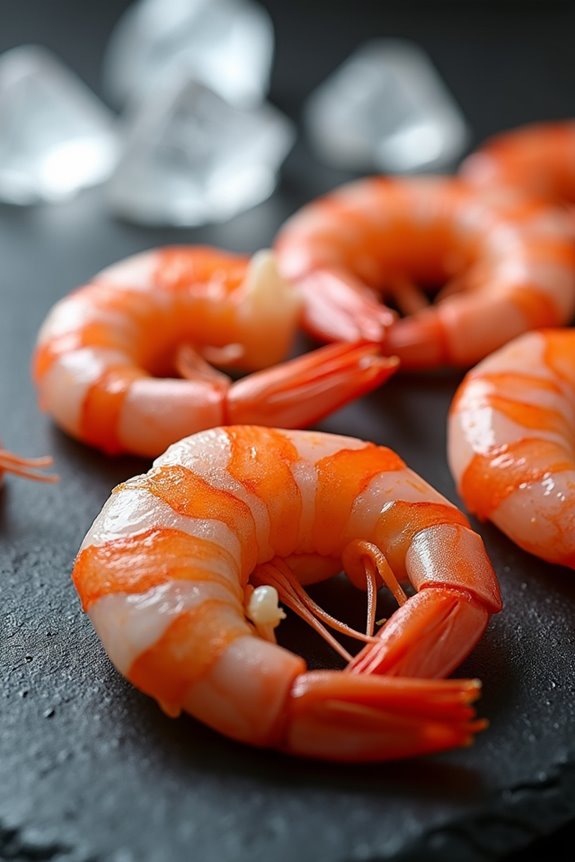
You’ll find tiger shrimp in markets year-round because Asian farms control everything—temperature, feeding, lighting—making seasonal limits basically disappear. This consistent supply chain means restaurants and grocery stores can stock them whenever you want them, unlike wild-caught shrimp that follow nature’s schedule. That reliability is a huge reason why tiger shrimp’ve become the go-to choice for cooks who don’t want to plan around what’s in season.
Aquaculture Production Methods
How do you get tiger shrimp at your local market in January? Welcome to pond-based aquaculture in Asia. You’re accessing farms that never really close down. These operations work year-round to keep your seafood counter stocked.
Tiger shrimp farming relies on clever production strategies:
- Continuous harvesting keeps inventory flowing steadily throughout every season
- Mangrove pond systems create ideal growing environments for consistent yields
- Biosecurity practices protect shrimp health and maintain quality standards
- Optimized feeding schedules support faster growth without seasonal interruptions
Here’s what makes year-round production possible: Asian farms operate at massive scales. They’re not waiting for natural breeding seasons like wild varieties do. Instead, they’ve engineered systems that produce fresh tiger shrimp constantly. You benefit from this approach because you’re never stuck choosing frozen alternatives. That January craving? You’ve got fresh options waiting.
Consistent Supply Chain Benefits
The year-round production methods we just covered? They’re exactly why you’ll find tiger shrimp at your favorite restaurant every single month.
Here’s the thing: Asia aquaculture operations across multiple countries mean disruption(s) in one region don’t leave you shrimp-less. When you’re sourcing tiger shrimp supply from established networks like those at Fulton Fish Market, you’re tapping into standardized quality controls that keep shipments consistent.
Those large-scale ponds we mentioned create serious economies of scale. That translates to reliable monthly deliveries without seasonal gaps. You’re not hunting for substitutes in winter or overpaying when supply tightens.
The result? Year-round production supports steady demand for tiger shrimp’s distinctive flavor and impressive size. You get what you want, when you want it—that’s the real game-changer here.
How to Cook Tiger Shrimp at Home
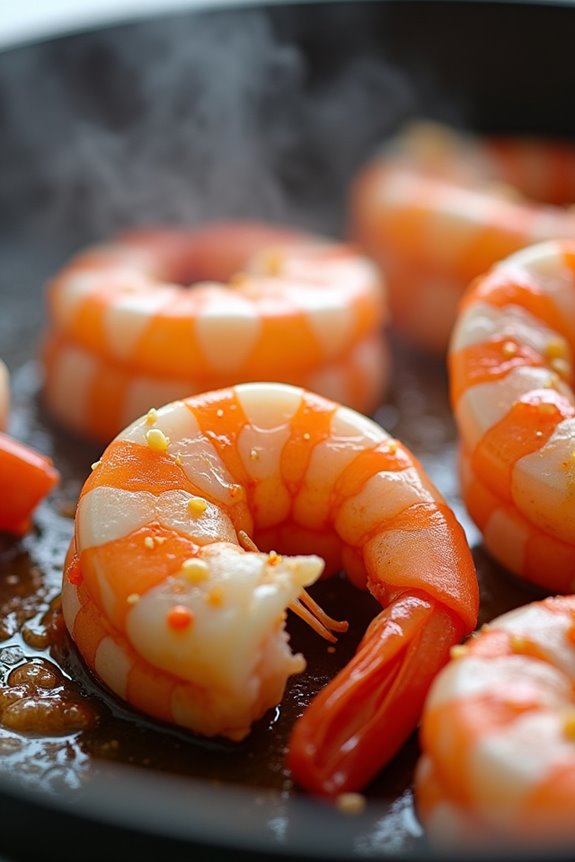
What’s the secret to nailing tiger shrimp at home? You’ve got to keep things simple and let their natural flavor shine through.
These beauties cook fast, so timing matters. Here’s what you need to know:
- Pan-sear them in butter and garlic for 2-3 minutes per side until pink
- Grill whole shrimp skewered for impressive presentations with smokey depth
- Add citrus like lemon or lime to brighten the robust, lobster-like taste
- Season minimally because their distinctive black stripes signal quality meat inside
The firmness and snap you’ll experience? That’s the payoff for choosing tiger shrimp. Their size means you’re getting serious meat per shrimp. Start with high heat, don’t overcrowd your pan, and you’ll nail it every time. You’re basically one step away from restaurant-quality results in your own kitchen.
Flavor Pairings That Amplify Their Robust Snap
You’re sitting with a plate of perfectly cooked tiger shrimp—now comes the fun part. Your flavor pairings can either celebrate or completely waste their resilient snap.
Start with the classics: butter, garlic, and lemon brighten the shrimp’s natural sweetness. A crisp Sauvignon Blanc or Pinot Grigio alongside amplifies their pronounced finish beautifully.
Want bolder moves? Paprika and black pepper accentuate that firm bite without masking texture. Soy-ginger blends work magic too, adding depth while preserving what makes tiger shrimp special.
Here’s the real secret: smoky, oaky notes from hickory char pair exceptionally with their sweetness. The combination feels almost luxurious—like you’ve unlocked something special.
Skip heavy sauces that drown everything out. Your tiger shrimp’s robust snap deserves pairings that highlight, not hide, what makes them stand out.
Tiger Shrimp vs. Royal Reds and Spot Prawns

How do tiger shrimp stack up against their fancy cousins?
You’ve got three heavyweight contenders here, and they’re all worth knowing. Tiger shrimp reach up to 13 inches and bring that bold, snappy flavor you’re craving. Royal Reds? They’re deep-sea dwellers with lobster-like sweetness, but they’re seasonal and pricey. Spot Prawns from the Pacific Northwest are bigger and sweeter, yet gentler than tiger shrimp.
Here’s what sets tiger shrimp apart:
- Pronounced snap and stronger taste than competitors
- Farm-raised for year-round availability
- Bold black stripes with firmer texture
- Perfect for high-impact dishes like sushi and grilling
When you want maximum flavor impact, tiger shrimp deliver. They’re your go-to for dishes demanding presence, while Royal Reds and Spot Prawns shine when you want subtle sophistication.
Finding Responsibly Farmed Tiger Shrimp
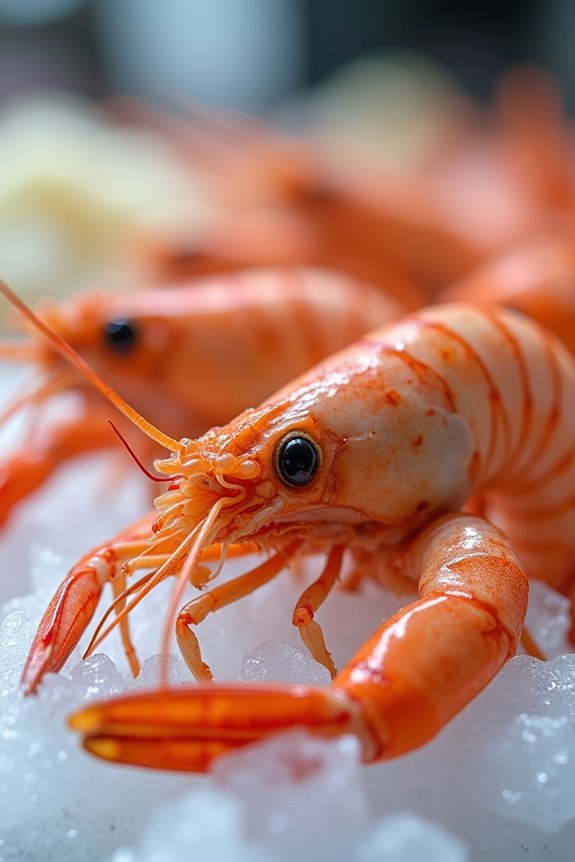
Since tiger shrimp come from farms across Asia, where they’re raised year-round, you’ll want to know what you’re actually buying. Look for certifications showing farms practice responsible farming with reduced antibiotics and proper waste management. You’re joining a community that values quality sourcing.
| Certification | What It Means |
|---|---|
| ASC (Aquaculture Stewardship Council) | Strict environmental standards followed |
| BAP (Best Aquaculture Practices) | Fair labor and safety practices |
| Organic | No synthetic chemicals used |
| Fair Trade | Workers earn living wages |
| Local Partnership | Direct farm relationships verified |
Check labels carefully. Responsibly farmed tiger shrimp cost more, but you’re supporting farms protecting mangroves and ecosystems. These 13-inch beauties deserve sourcing that matches their premium quality. Your choices matter to the communities raising them.
What to Look for in Fresh Tiger Shrimp
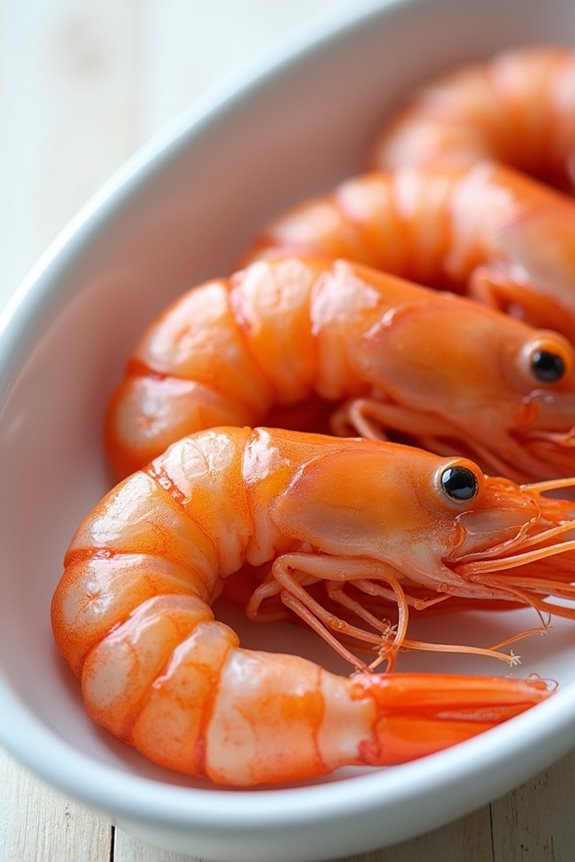
Now that you’ve found responsibly farmed tiger shrimp, it’s time to pick the best ones at the market. You’ll want to examine each shrimp carefully because quality really matters for texture and flavor.
Look for these key qualities:
- Firm, translucent flesh that springs back when you gently press it
- Bright, glossy shells with distinct dark stripes running along the body
- Fresh, sea-like aroma—not a strong fishy or ammonia smell
- Tight shells with no discoloration or damage
Tiger shrimp can reach up to 13 inches, so size varies. Whether you’re buying live or freshly dead specimens, trust your senses. If you’re choosing frozen tiger shrimp, grab packages with solid ice blocks and minimal freezer burn. You’re investing in quality, so don’t settle for anything less.